
What We See on Dublin Roofs
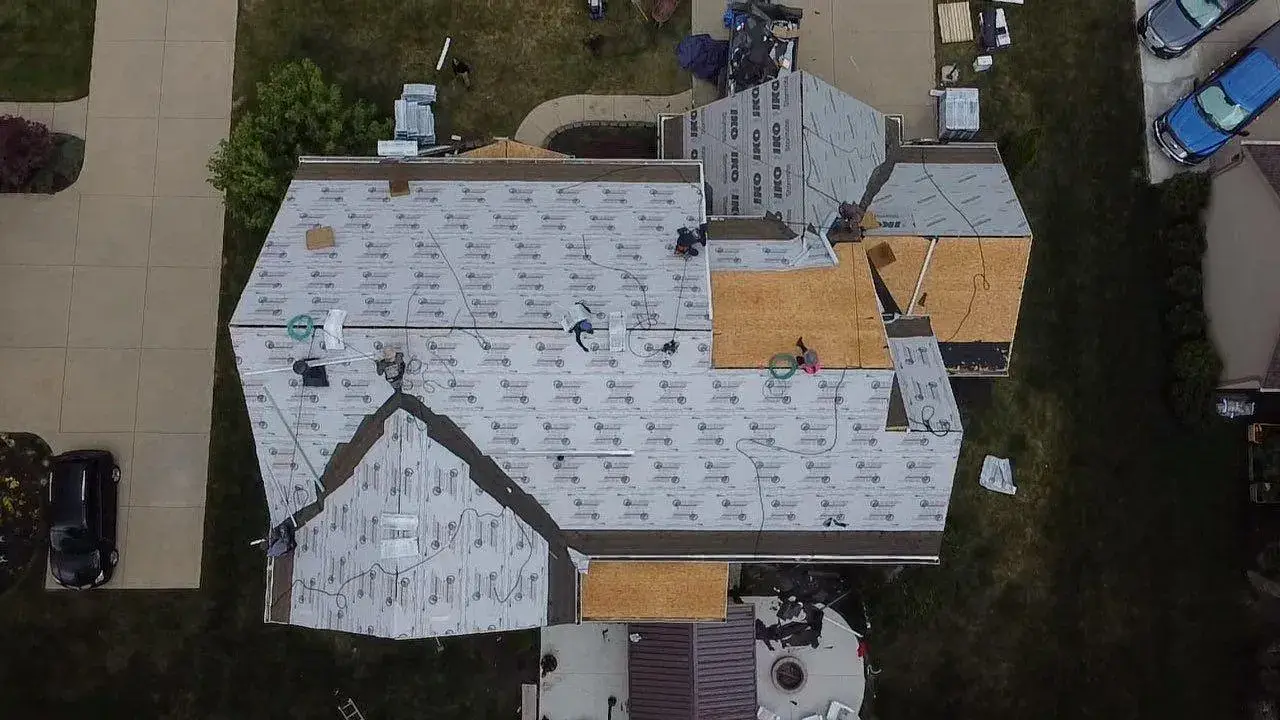
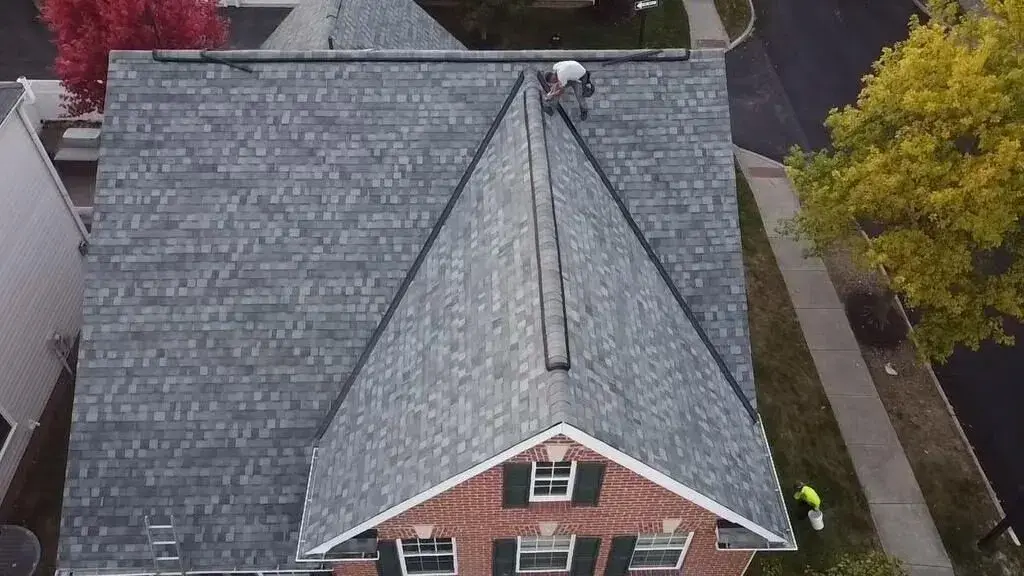
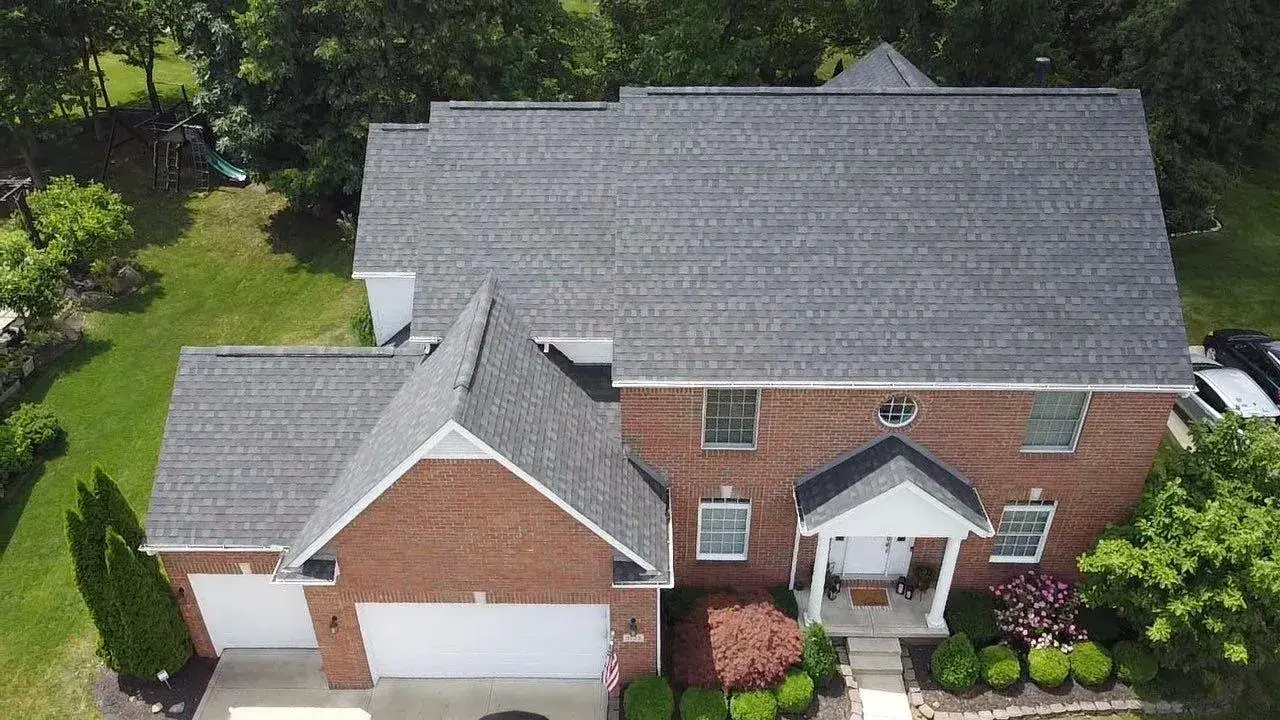
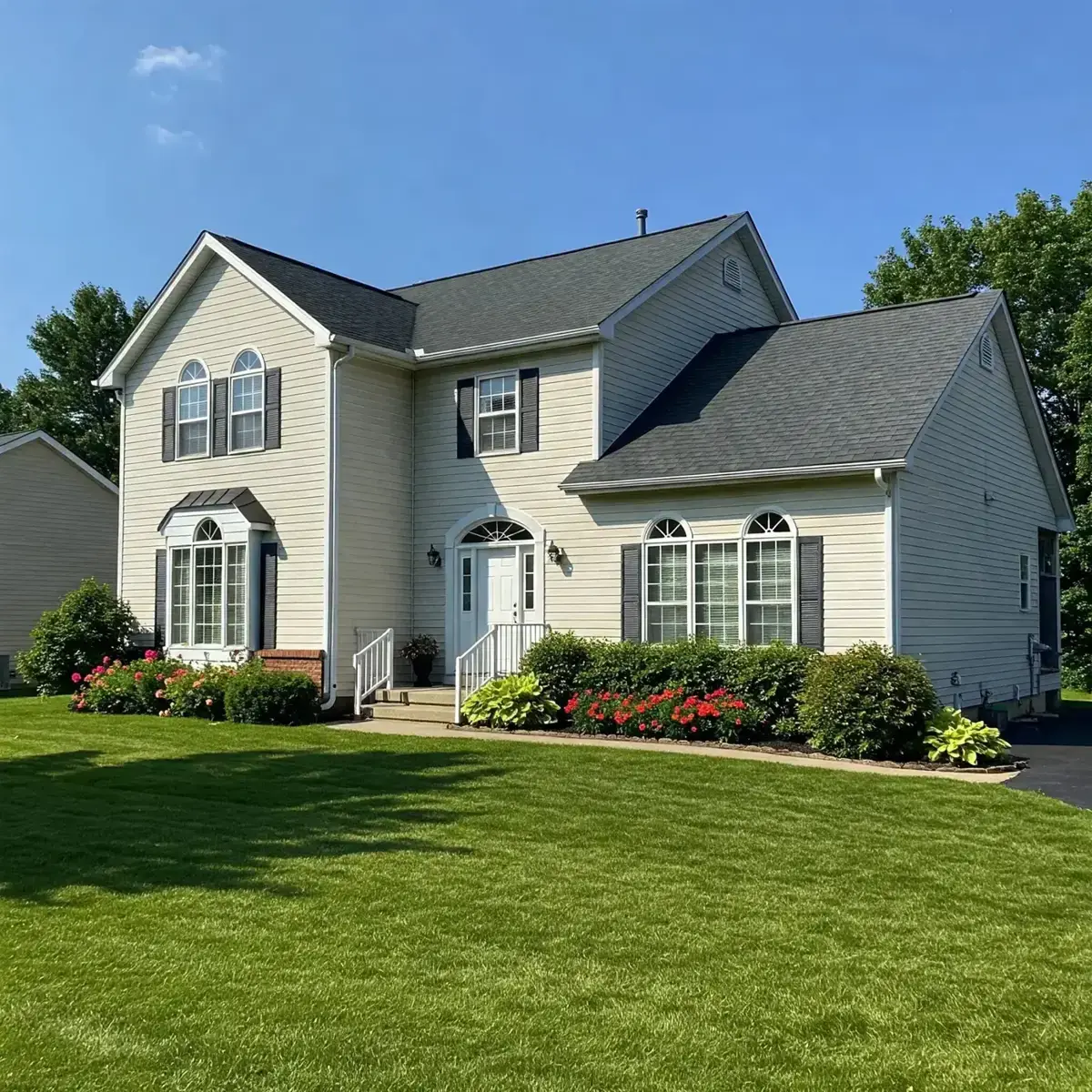
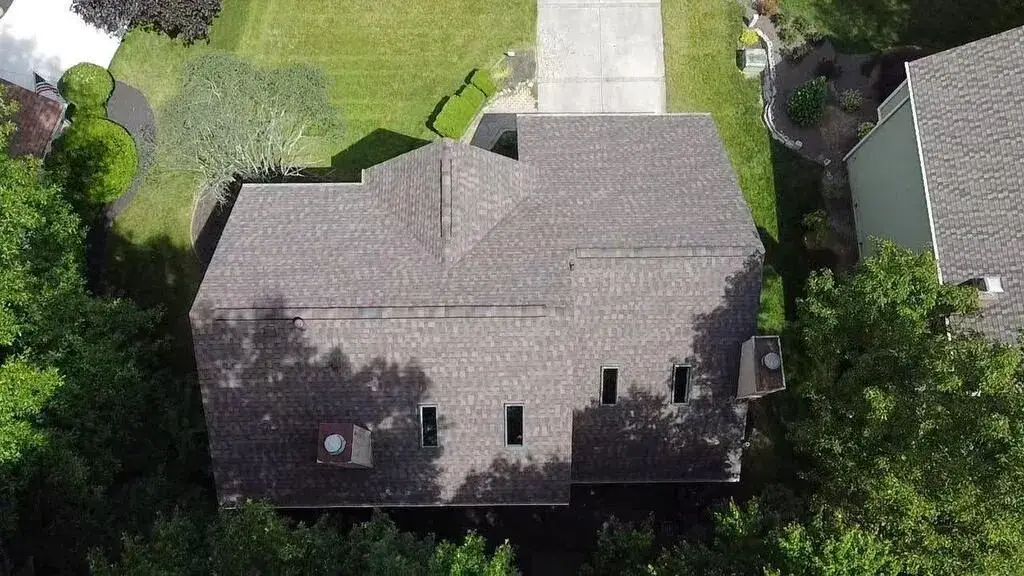
- Two-story homes with many roof planes, valleys, dormers and skylights
- Homes from the 1970s on in established neighborhoods, many on their second roof
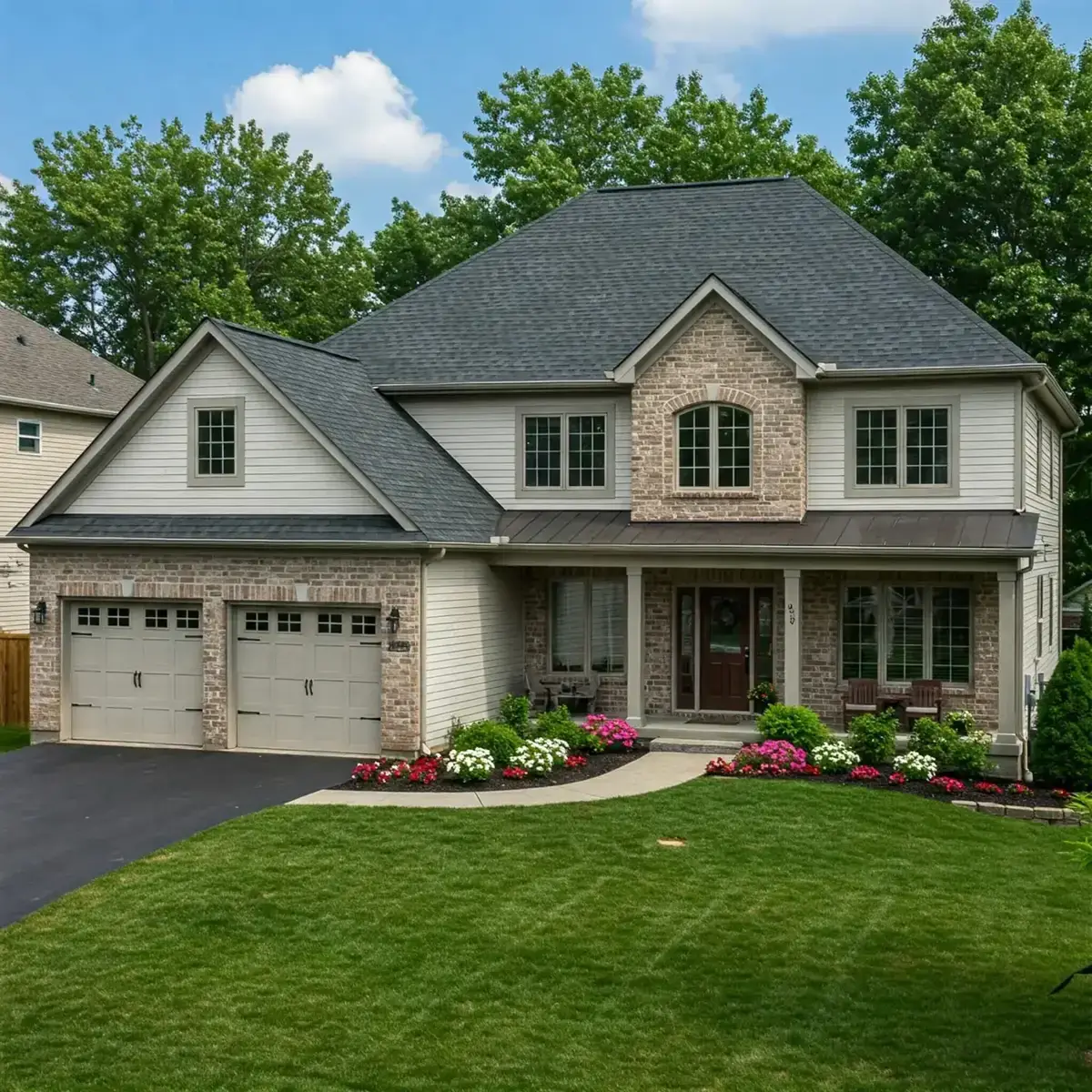
- Stone and brick fronts with siding behind, where wall flashing matters
- Association rules on shingle style and color
Big Roofs, Lots of Details
Dublin grew from a village into a large suburb from the 1970s on, and much of its housing is big two-story homes with several roof planes. Leaks on roofs like these rarely start in the middle of a slope. They start in the valleys where two slopes meet, at the step flashing where a roof runs into a wall, and around chimneys, skylights and vents.
So whether it is a repair or a full replacement, those are the places we spend the most time: new flashing rather than reused, valleys done properly and attic ventilation checked before the new roof goes on.
Associations and Historic Dublin
Many Dublin neighborhoods have an association with rules about roofing materials and colors, and exterior changes in Historic Dublin go through city review. Check before you choose a shingle; we can supply the product specifications and samples these reviews usually ask for.
Metal Roofing and Accents
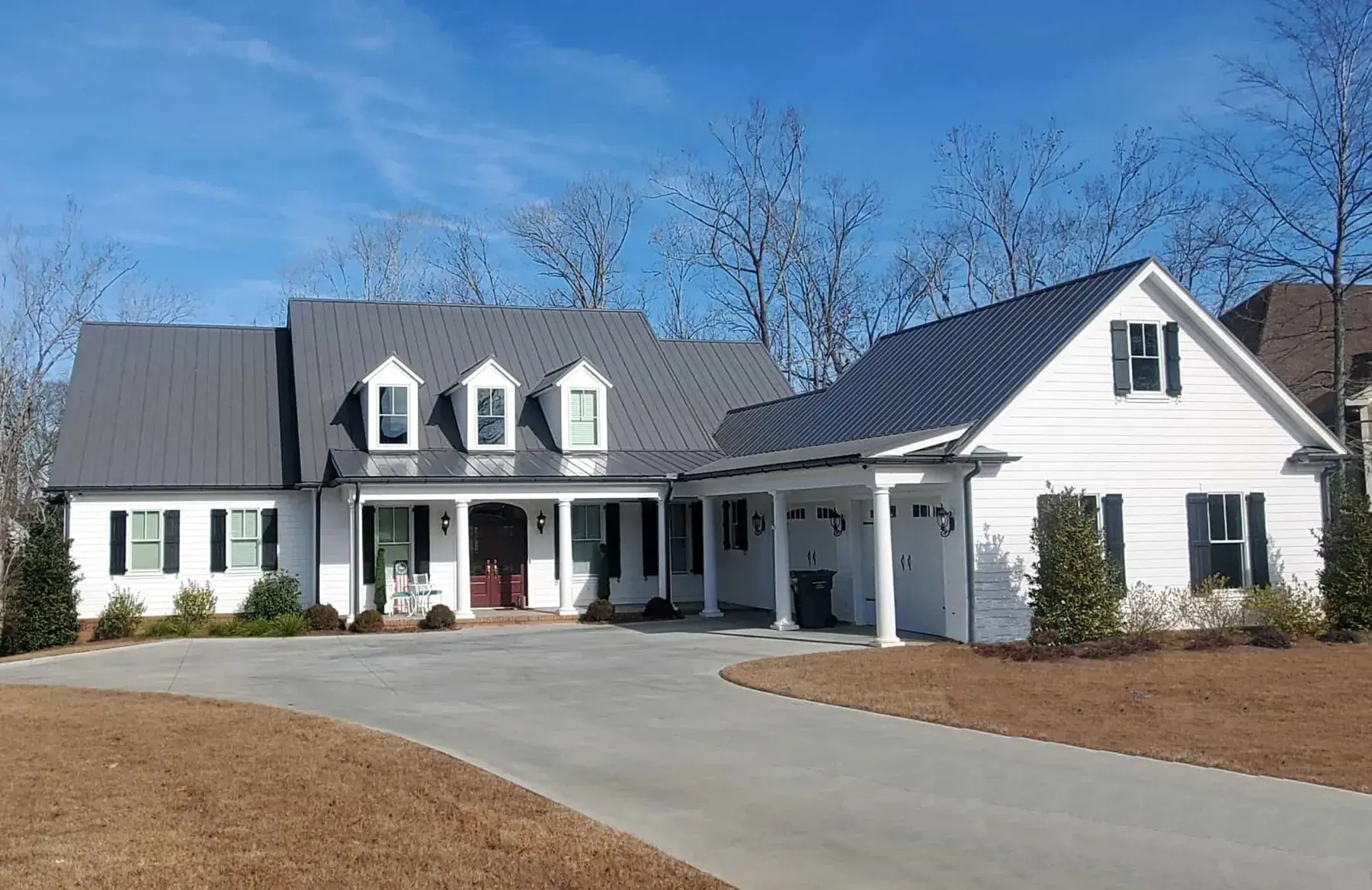
Standing seam metal suits Dublin’s farmhouse and transitional homes, and works as an accent over porches, bays and entries on traditional ones. It is also a long-term answer on low-slope porch roofs that keep leaking.